


Does Your Brand Still Represent Your Business? Take This Quiz to Find Out
Over time, trends come and go, and while it’s important not change your entire brand based on a fad, it’s also important that your brand not only reflects the products and services you offer, but also the time that it exists in.
Assessing how well your brand aligns with your current offering is an essential part of brand management. It tells your customers what they can expect from you before they purchase from you.
If your brand fails to accurately convey your business, it could turn new customers or clients away and push returning customers or clients into looking at your competitors for a more up-to-date approach.
Why navigating brand change is more complex than it looks
A brand change seems pretty simple, right? Create a new logo, whack it on the website and call it a day. That really is the very, very tip of the iceberg. For a brand change to be of value, it has to answer a few core questions.
Does your current brand align across multiple platforms? Does the verbal/written branding match the visuals? How will this rebrand help address the issues currently being faced?
Again, these questions are just the tip of the iceberg, but they can help to get the juices flowing when initially looking at a rebrand.
There are a lot of moving parts when it comes to a rebrand, and ensuring that both the stakeholders and audience are happy is a crucial – and complicated – aspect.
Common indications your brand may be misaligned
Before making the leap into a full rebrand, a few considerations must be made to assess the necessity of the rebrand. Here are a few factors to consider.
Visual and design indicators
While a contemporary design is important, a timeless design ensures brand continuity to your audience. The design of the rebrand must match your business goals and image, while ensuring that the identity of the brand remains consistent with the existing audience.

Take the 2021 Burger King rebrand as an example. When Burger King wanted to add their food to delivery services, they found that their logo performed poorly on those apps because it was not well optimised for the platforms. The rebrand focused on 4 major elements: the logo had to be optimised for the smartphone age, the blue swirl was ditched in favour of a more organic-looking colour palette, the font was changed to not only resemble the food but be clearly legible on digital screens, and the uniforms and stores were overhauled to a street food-style look.
All of these visual and design cues tell the audience, “Hey, we’re a fresh, modern fast food service.” And it worked; Burger King’s digital revenue has been increasing year-on-year since the rebrand.
Strategic and audience influence
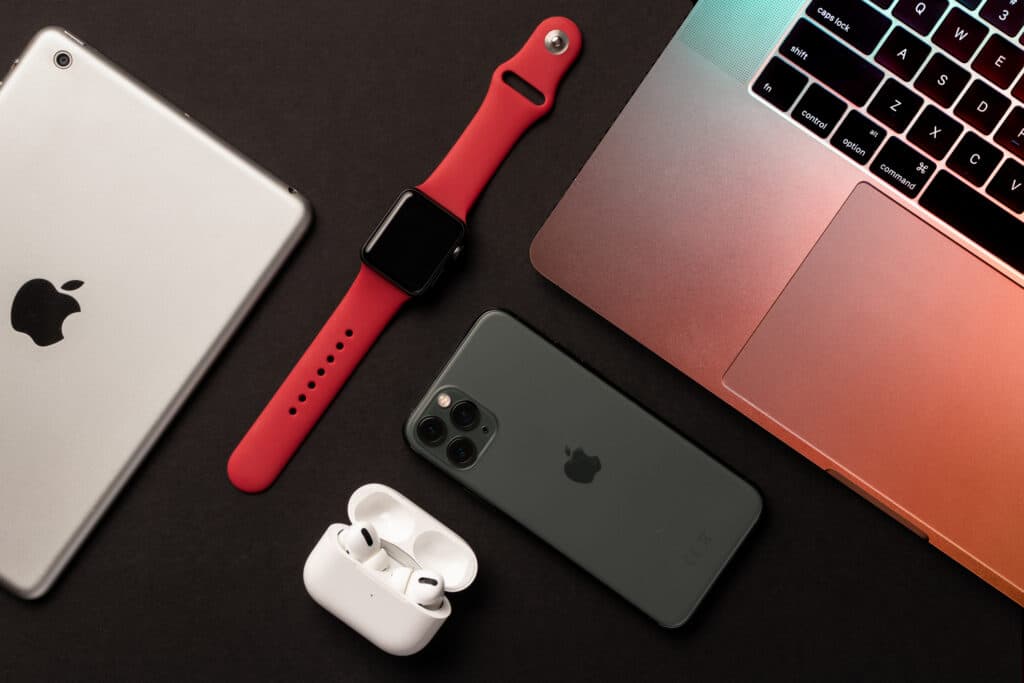
In sectors like tech, naming conventions and brand identity change quickly. Just look at Apple Inc., which in 2007 dropped the word “Computer” from its original name to suit the sleek, minimalist design principles it’s renowned for. In 1976, when Apple was founded, it made sense to explicitly inform customers of what they sold, but in 2007, it seemed outdated and didn’t accurately reflect the consumer base they were targeting. Alongside the name change, they also replaced the glassy, 3D logo in favour of a more contemporary metallic chrome logo to perfectly complement the launch of their latest product – the iPhone.
In this example, you can see synergy across all aspects of the business when considering a rebrand. Nothing in Apple’s 2007 rebrand was for the sake of it; everything had a purpose and a wider vision. The rename turned the brand from a niche, alternative computer brand to a complete technological powerhouse, helping Apple to create their ecosystem of iPhone, MacBook and iMac.
Market and messaging indicators
Setting yourself apart from your competitors is a crucial part of marketing, but straying too far from the conventions of your sector can be more damaging than going with the crowd.
Take the 2024 Jaguar rebrand. While it clearly separated itself from the competition with some interesting design choices, it also separated itself from its well-established heritage that drew people to the brand. For decades, Jaguar was known as a brand that embodied the English gentleman through its marketing and products, but the new rebrand ditched that for a corporate-chic logo that confused audiences.
But the nail in the coffin was that their rebrand announcement video featured no cars, leading people to ask, “What do you sell now?”
Industry experts argue that this rebrand was necessary because of the do-or-die situation Jaguar was in, with slumping sales and declining profits, but this rebrand should act as a cautionary tale for anyone wondering how not do a rebrand.
The different paths a brand change can take
When considering a rebrand, it doesn’t have to be as drastic as a complete overhaul of your brand’s identity; it can take many forms. Here are some of the ways a rebrand can take form.

Refinement
Refinement involves subtle changes which can make a big difference to the user experience and to the bottom line. In the digital age, many brands have moved away from the glossy aesthetic of Web 2.0 in favour of matte logos that display better across screens and print. These subtle changes can help to bring brands into the 2020s.
Other changes could be a simple font change that gives a heritage brand a more modern feel to appeal to a younger audience.
Repositioning
Repositioning involves taking the focus of your marketing and changing it to more accurately reflect where you want your brand to go. This could be focusing less on your product’s functionality and more on how it makes the user feel – the automotive sector does this a lot to great effect. You’re less likely to hear about horsepower and more likely to hear about the soul of a car.
Tone of voice changes can also be used to reposition a brand as luxury rather than budget, telling your audience that these products are more premium without even needing to change the product.
Full rebrand
A full rebrand incorporates changes across all channels of your business. While refinement and repositioning can be implemented fairly often and quickly, a full rebrand should come only every 7-10 years.
A full rebrand can take considerable resources from the team over the course of months, so it isn’t something that should be implemented on a whim; it should have a purpose and clear goals about what it intends to achieve.
A full rebrand represents a complete overhaul of your brand’s identity, including the name of the business, a new logo, visual system (colours, theme), and messaging system (how you interact with your audience).
How to gain clarity before making changes
Before jumping into any aspect of a rebrand, you must first establish the problems you want to address. That’s not always an easy task, which is why we put together a handy quiz to quickly identify issues facing your brand, alongside guidance on how to address the issues.
Think your business needs a rebrand? Get in touch to see how BANC can make rebranding your business as smooth and seamless as possible. We have a proven track record of rebranding businesses, helping them to achieve not only a more cohesive brand but also the results that come along with that.